


Table of contents
Why Choose Matlin Injury Law for Your Head-On Collision Case
Matlin Injury Law brings years of experience handling head-on collision cases throughout Castle Rock and Douglas County. Our team has represented injured clients in cases ranging from minor injuries to catastrophic spinal cord damage and permanent disability. We understand the unique challenges that head-on collisions present. These include the severity of injuries, the complexity of liability determination, and the aggressive tactics insurance companies use to minimize payouts.
We evaluate every head-on collision case by examining the evidence thoroughly. We review police reports, witness statements, vehicle damage patterns, medical records, and accident reconstruction data. This detailed approach allows us to identify all liable parties and build strong claims that insurance companies take seriously. We don’t accept initial settlement offers without understanding the full scope of your injuries and long-term needs.
When you work with Matlin Injury Law, you receive direct access to your attorney. You also get regular updates on your case progress. We handle all communication with insurance companies and opposing counsel, allowing you to focus on recovery. Our contingency fee model means you pay nothing unless we recover compensation for you.
We pursue maximum compensation through settlement negotiations and, when necessary, litigation. Your case receives the attention and resources it deserves, not a cookie-cutter approach that treats all accidents the same.
How Head-On Collision Cases Are Evaluated and Resolved
Evaluating a head-on collision case requires examining multiple evidence sources. Police reports document the accident scene, officer observations, and initial fault determinations. Witness statements provide independent accounts of how the accident occurred. Vehicle damage patterns reveal impact direction and force. Medical records establish injury severity and treatment needs. Accident reconstruction experts can analyze vehicle damage, road conditions, and physics to determine how the accident happened.
Liability determination in head-on collisions often involves comparative negligence analysis. Colorado law recognizes that accidents sometimes result from both drivers’ actions. A driver might have been speeding while the other driver was distracted. Both contributed to the accident. Our role is to gather evidence showing the other driver’s primary responsibility while honestly assessing any factors that contributed to your actions.
Head-on collision damages include economic and non-economic categories. Economic damages cover medical bills (emergency care, surgery, hospitalization, rehabilitation, ongoing treatment), lost wages (time away from work during recovery), property damage (vehicle repair or replacement), and future medical expenses. Non-economic damages cover pain and suffering, emotional distress, loss of enjoyment of life, and permanent disability or disfigurement.
The path to resolution varies by case. Some head-on collision claims settle through insurance negotiations within months. Others require litigation when insurance companies deny liability or offer inadequate compensation. We evaluate your case’s strength and discuss settlement versus litigation options with you, ensuring you understand the risks and benefits of each path.
What Makes a Head-On Collision Claim Stronger
Several factors strengthen head-on collision claims. Clear liability evidence strengthens your case. This includes the other driver crossing the center line, driving the wrong way, or violating traffic laws. Police reports documenting traffic violations support liability. Witness testimony from independent observers carries significant weight. Medical documentation showing injury severity and treatment needs establishes damages. Accident reconstruction expert analysis can definitively show how the accident occurred and which driver caused it.
Conversely, certain factors complicate claims. Shared fault scenarios where both drivers contributed to the accident reduce recovery amounts. Limited insurance coverage means the at-fault driver’s policy may not cover all damages. Delayed medical treatment creates questions about injury causation. Pre-existing conditions require careful documentation to show how the accident worsened your health. These challenges don’t prevent recovery, but they require thorough investigation and strategic case handling.
Matlin Injury Law evaluates claim strength by examining all available evidence and identifying potential challenges early. We gather police reports, witness statements, medical records, and expert analysis to build compelling cases. When challenges exist, we develop strategies to address them. For example, we obtain medical expert testimony about injury causation or accident reconstruction analysis showing liability despite shared fault allegations.
Insurance companies evaluate claims using similar criteria. They assess liability strength, damages documentation, and litigation risk. Our experience allows us to present claims in ways that demonstrate their value and encourage fair settlement offers. When insurance companies undervalue claims, we’re prepared to litigate and let juries decide appropriate compensation.
Contact Matlin Injury Law for Your Free Head-On Collision Consultation
If you suffered injuries in a head-on collision in Castle Rock, contact Matlin Injury Law today for a free case evaluation. We’ll review the details of your accident, explain your legal rights, and discuss how we can help you recover compensation. You pay nothing unless we recover money for you. Our contingency fee model ensures our interests align with yours.
Don’t delay. Colorado law imposes a two-year statute of limitations on personal injury claims. You must file a lawsuit within two years of the accident or lose your right to compensation. Insurance companies count on injured people delaying action, allowing memories to fade and evidence to disappear. Contact us now to protect your rights.
Call Matlin Injury Law at (303) 487-8911 for your free consultation. We’re available 24/7 to answer your questions and discuss your case. You can also complete our online contact form, and we’ll reach out within 24 hours.
Matlin Injury Law—helping Castle Rock residents recover after head-on collision accidents.
FAQs
What Is a Head-On Collision Case?

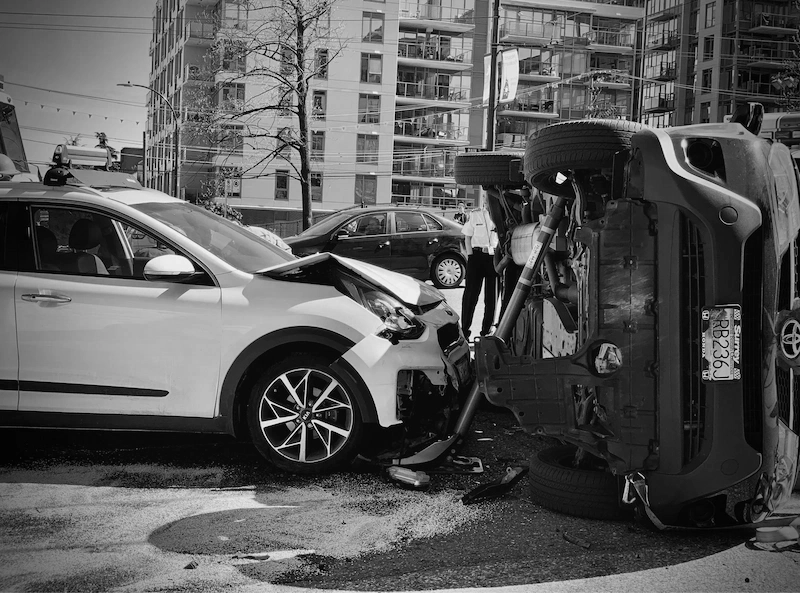
A head-on collision occurs when two vehicles traveling in opposite directions strike each other front-to-front. Unlike side-impact or rear-end collisions, head-on crashes concentrate the full force of both vehicles’ momentum into the front ends. This creates extreme impact forces that cause severe injuries.
Head-on collisions rank among the deadliest accident types. The National Highway Traffic Safety Administration reports that head-on collisions account for a disproportionate share of fatal crashes despite representing a smaller percentage of total accidents. Survivors often face life-altering injuries, including traumatic brain injuries, spinal cord damage, multiple fractures, internal organ damage, and severe lacerations.
People injured in head-on collisions need legal representation because these cases involve complex liability questions. Unlike rear-end collisions, where the trailing driver is typically at fault, head-on collisions often involve questions about which driver caused the accident. Did one driver cross the center line? Was someone driving the wrong way? Did impaired driving, distracted driving, or weather conditions contribute? These questions determine who pays for your medical bills, lost wages, and pain and suffering.
Insurance companies know that head-on collision cases are serious and expensive. They deploy aggressive tactics to minimize liability or shift blame to the injured person. Having an experienced attorney levels the playing field and ensures your rights are protected throughout the claims process.
What Causes Head-On Collisions in Castle Rock?
Head-on collisions result from drivers crossing the center line or traveling in the wrong direction. Common causes include distracted driving (texting, phone use, eating), impaired driving (alcohol or drugs), drowsy driving, excessive speed, failure to stay in the proper lane, and weather conditions that reduce visibility or traction. Wrong-way driving on highways or divided roads creates particularly dangerous head-on collision scenarios. In Castle Rock, head-on collisions frequently occur on I-25, local highways, and intersections where drivers misjudge oncoming traffic.
Who Is Responsible in a Head-On Collision Accident?
Responsibility in a head-on collision depends on which driver’s actions caused the accident. The driver who crossed the center line, drove the wrong way, or violated traffic laws typically bears liability. However, both drivers may share responsibility if both contributed to the accident. Colorado’s comparative negligence law allows injured people to recover compensation even if they were partially at fault, as long as they were not more than 50% responsible for the accident.
What Injuries Result from Head-On Collision Impacts?
Head-on collisions cause severe injuries due to the concentrated impact forces. Common injuries include whiplash and neck injuries, traumatic brain injuries and concussions, spinal cord injuries and paralysis, broken bones (ribs, pelvis, legs, arms), internal organ damage, lacerations and disfigurement, and psychological trauma, including PTSD. Many head-on collision survivors experience delayed symptoms that emerge days or weeks after the accident, making immediate medical evaluation critical.
Can I Recover Compensation If I Was Partially at Fault?
Yes. Colorado’s comparative negligence law allows you to recover compensation as long as you were not more than 50% responsible for the accident. If you were 30% at fault and the other driver was 70% at fault, you can recover 70% of your damages. This is why thorough investigation matters. Establishing the other driver’s primary responsibility maximizes your recovery.
What Compensation Can I Receive from a Head-On Collision Claim?
Compensation depends on injury severity, medical expenses, lost wages, and long-term impacts. A head-on collision causing minor injuries might result in $25,000-$75,000 in compensation. Moderate injuries with significant medical treatment might yield $75,000-$250,000. Severe injuries causing permanent disability or requiring lifetime care can result in settlements exceeding $500,000. We evaluate your specific damages to determine appropriate compensation targets.
How Long Does a Head-On Collision Case Take to Resolve?
Settlement timelines vary. Simple cases with clear liability might settle within 3-6 months. Complex cases involving multiple parties, disputed liability, or severe injuries may take 12-24 months or longer. Litigation adds time but sometimes results in higher compensation than early settlement offers. We discuss timeline expectations during your initial consultation based on your case’s specific circumstances.
What Should I Do Immediately After a Head-On Collision Accident?
First, ensure everyone’s safety and call 911 if anyone is injured. Move vehicles out of traffic if possible without risking further injury. Exchange information with the other driver (name, phone, address, insurance details, vehicle information). Take photos of vehicle damage, accident scene, road conditions, and visible injuries. Get contact information from witnesses. Seek medical evaluation even if you feel fine. Some injuries appear hours or days later. Report the accident to your insurance company. Contact Matlin Injury Law before giving statements to other insurance companies or accepting settlement offers.
Will My Case Settle or Go to Trial?
Most head-on collision cases settle without trial. Insurance companies often prefer settlement to avoid jury trials, where juries may award larger verdicts. However, if the insurance company denies liability or offers inadequate compensation, litigation becomes necessary. We prepare every case for trial while pursuing fair settlement negotiations. Your input guides the decision about whether to accept a settlement offer or proceed to trial.
What If I Was Partially Responsible for the Head-On Collision?
Colorado’s comparative negligence law protects partially at-fault injured people. You can recover compensation as long as you were not more than 50% responsible. If you were 25% at fault and the other driver was 75% at fault, you recover 75% of your damages. This requires honest assessment of your actions and thorough investigation of the other driver’s conduct. We evaluate shared fault scenarios objectively and develop strategies to minimize your assigned fault percentage while maximizing the other driver’s liability.
How Much Is My Head-On Collision Case Worth?
Case value depends on multiple factors: injury severity and type, medical expenses and treatment duration, lost wages and earning capacity, permanent disability or disfigurement, pain and suffering, emotional distress, and insurance coverage available. A minor head-on collision injury might be worth $15,000-$50,000. A moderate injury with significant treatment might be worth $75,000-$300,000. A severe injury causing permanent disability could be worth $500,000 or more. We provide case value estimates after reviewing your medical records, lost wage documentation, and accident details.
Do I Have a Head-On Collision Case?
You likely have a case if you were injured in a head-on collision caused by another driver’s negligence. Negligence means the other driver failed to exercise reasonable care. This includes driving distracted, impaired, recklessly, or in violation of traffic laws. You must have suffered actual injuries documented by medical treatment. You must have damages—medical bills, lost wages, pain and suffering, or other losses. If these elements exist, you have a viable case. We evaluate cases free of charge during initial consultations.
Should I Accept an Insurance Settlement or Pursue a Lawsuit?
This decision depends on the adequacy of the settlement offer and case strength. If the insurance company offers fair compensation reflecting your injuries and damages, settlement makes sense. You receive payment quickly without litigation costs or delays. If the offer is inadequate or the insurance company denies liability, litigation becomes necessary. We discuss settlement versus litigation options with you, explaining the risks and benefits of each path. Your preferences guide the decision, but we provide honest counsel about case strength and likely outcomes.