


Table of contents
- Immediate Steps to Take After Hitting a Deer
- Does Insurance Cover Hitting a Deer in Colorado?
- Is Hitting a Deer Considered an “At-Fault” Accident?
- Common Injuries and Damages in Wildlife Collisions
- How to Prevent a Deer Car Accident in Colorado Springs
- Frequently Asked Questions
- Contact a Colorado Springs Car Accident Attorney Today
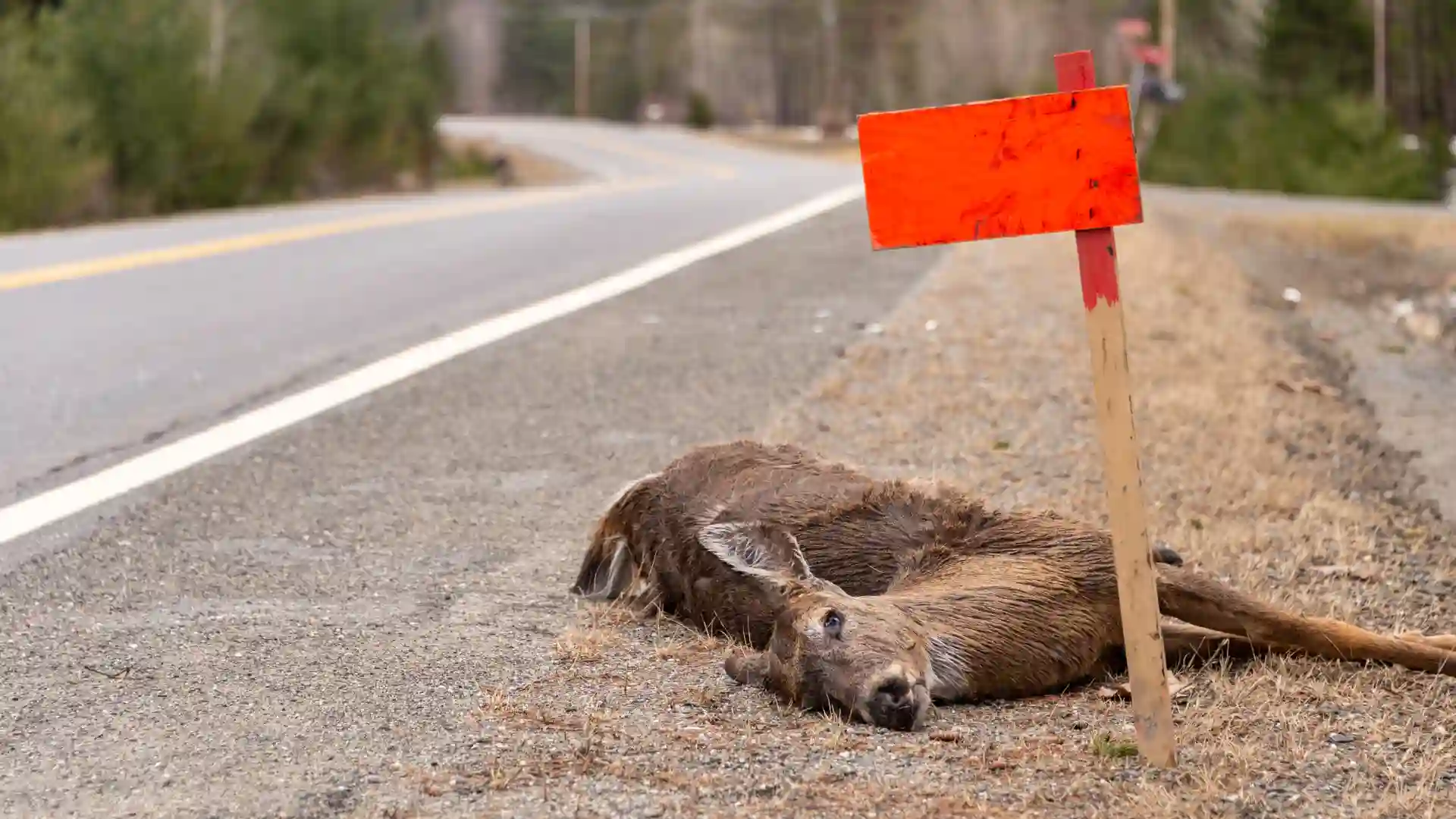
Colorado Springs is celebrated for its stunning natural landscape, but this proximity to nature presents unique hazards for drivers. Whether you are navigating the heavy traffic on Woodmen Road, the winding stretches of Highway 24, or the scenic routes near Garden of the Gods, a deer car accident in Colorado Springs can occur in a split second.
Deer are most active at dusk and dawn, which are precisely the times when visibility is lowest for motorists. Wildlife-vehicle collisions can happen year-round, but state data confirm that there is an increase during migration season, especially between dusk and dawn. In El Paso County alone, hundreds of animal-related crashes are reported annually, making it one of the top counties in the state for such incidents. Understanding the “how” and “who” of wildlife collision liability is the first step toward physical and financial recovery. At Matlin Injury Law, our Colorado Springs car accident lawyer team helps victims navigate the complex insurance and legal hurdles that follow these traumatic events.
Immediate Steps to Take After Hitting a Deer
The moments following a wildlife collision are often chaotic. Your priority must be the safety of yourself and your passengers. Knowing exactly how to handle the aftermath of a deer car accident in Colorado Springs is essential for your potential insurance claim.
Move to a Safe Location
If your vehicle is still operable, turn on your hazard lights and pull over to the shoulder or a safe parking area away from traffic. Avoid stopping in the middle of a lane, especially on high-speed roads where other drivers may not see you in time to stop. If you must leave your vehicle, stay off the road and out of the way of oncoming motorists.
Call for Help
Contact 911 or local law enforcement immediately. Even if you aren’t visibly injured, you may find yourself wondering, “do I have to report a car accident to the police?” and while the question is common, Colorado law actually requires drivers to promptly report any accident that results in injury, death, or significant property damage. Failing to make a required report can lead to penalties. Police can also alert Colorado Parks and Wildlife (CPW) if the animal is blocking traffic or requires assistance.
Keep Your Distance from the Animal
If the deer is still alive, do not approach it. A frightened, wounded animal can be extremely dangerous and may use its sharp hooves or antlers to cause serious injury. Wait for authorities to determine the best course of action for the animal.
Document the Scene Thoroughly
If it is safe to do so, use your phone to take what to do after a car accident photos of the vehicle damage and the surrounding area. Be sure to capture:
- Vehicle Damage: Photos of the bumper, hood, headlights, and any compromised panels.
- Physical Evidence: If the deer ran away, take photos of any blood, hair, or fur left on your vehicle to help show that a physical animal strike occurred.
- Road Conditions: Images of the roadway, weather conditions, and any relevant wildlife warning signs.
- Witness Information: If anyone stopped to help, take down their account of the event and their contact details.
Does Insurance Cover Hitting a Deer in Colorado?
In Colorado, the way your damages are paid depends heavily on the specific coverage you carry. It is a common misconception that standard liability insurance will cover your repairs.
- Comprehensive Coverage: This is the primary type of insurance that covers wildlife collisions. It generally covers “unpredictable” events such as animal strikes, theft, fire, and some weather-related losses. For damage from hitting a deer to fall under comprehensive coverage, there usually must be direct contact between your vehicle and the animal.
- Collision Coverage: Collision coverage typically does not apply to a direct hit with a deer, but it may cover damage if you swerve to miss the animal and instead collide with another vehicle, a guardrail, tree, or other object.
- Deductibles: Even with comprehensive or collision coverage, you will likely still have to pay your selected deductible amount out of pocket before your insurer begins paying for the loss.
Is Hitting a Deer Considered an “At-Fault” Accident?
Typically, when wildlife causes damage to a car, no single party is deemed at fault because no owner can be held responsible for wild animals and their movements. As a result, a straightforward deer strike that is handled under comprehensive coverage usually does not count the same way as an at-fault collision claim and may be less likely to cause your premiums to rise than a traditional at-fault crash, though rating decisions ultimately depend on the insurer’s underwriting rules.
However, if you swerve to avoid a deer and hit another car or fixed object, that secondary crash is typically treated as a collision loss and you could be found at fault for that accident. If this results in a dispute, knowing how fault is determined in a car accident becomes vital to your case.
Common Injuries and Damages in Wildlife Collisions
Colliding with a large animal at highway speeds can cause significant destruction. Hitting a deer at 50 to 60 miles per hour will almost certainly damage the front end of a vehicle and can easily lead to thousands of dollars in repair costs. Beyond the obvious types of damages in personal injury car accident claims, victims often suffer from:
- Facial and Head Injuries: Lacerations from shattered glass or impact with internal components.
- Airbag-Related Injuries: The force of a deer collision is often enough to trigger airbags, which can cause abrasions or broken bones.
- Soft-Tissue Trauma: Whiplash and other injuries often do not show symptoms immediately after the jolt of a collision. For many, medical care and car accidents in Colorado go hand-in-hand following such an impact.
- Secondary Collisions: Some of the most severecases involve drivers losing control after an animal strike and hitting another vehicle or rolling over.
How to Prevent a Deer Car Accident in Colorado Springs
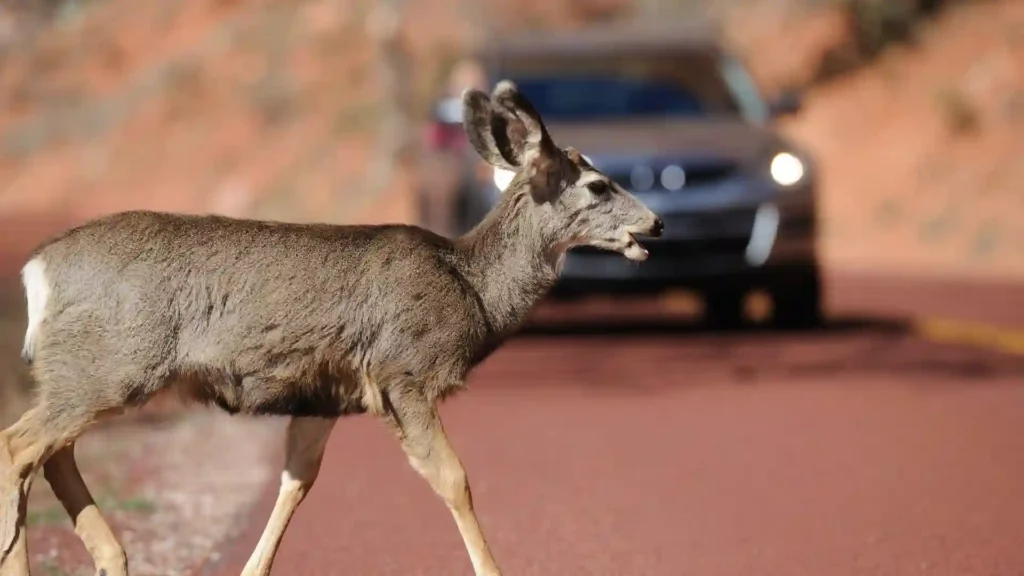
While some collisions are unavoidable, you can reduce your risk while driving through El Paso County by taking several precautions:
- Brake, Don’t Swerve: If a collision is inevitable, it is generally safer to hit the animal while braking firmly rather than swerving into oncoming traffic or off the road. Many serious crashes occur when drivers lose control while taking evasive action.
- Watch for Groups: Deer rarely travel alone. If you see one deer cross the road, there are often others following closely behind.
- Use High Beams Strategically: When there is no oncoming traffic, use high beams to better spot the “eye shine” of animals on the shoulder.
- Be Extra Cautious in “The Rut”: Deer mating and migration season peaks in the fall and early winter months, when deer are significantly more active and prone to darting into traffic.
Frequently Asked Questions
Do I have to report the accident to Colorado Parks and Wildlife?
If the animal is killed or injured and is blocking the road, you should notify authorities. In Colorado Springs, you can contact the CPW local office at 719-227-5200 or the police non-emergency line at 719-444-7000. If the animal is on a state highway, such as 24 or 67, the Colorado Department of Transportation (CDOT) should be notified for removal.
What if I were driving a rental car?
If you hit a deer in a rental car, your coverage may still apply. Your personal auto policy or the rental company’s coverage may pay, based on your contract and policy terms. Check your policy and the rental agreement to see which coverage comes first. You can also learn more about who pays for a rental car after an accident in Colorado.
Can a lawyer help me after a deer accident?
Many wildlife claims go through insurance without issues. Still, the process can get complex if other drivers are involved. It can also become more difficult with serious injuries or bad-faith conduct by your insurer. If your claim is denied or disputed, you may need to challenge a bad-faith insurance claim to protect your rights.
Contact a Colorado Springs Car Accident Attorney Today
A deer car accident in Colorado Springs can change your life. This is even more true if you suffer serious injuries or face a dispute with your insurance company. You should not have to navigate the car accident claim process alone while trying to recover.
Matlin Injury Law is dedicated to helping accident victims get the compensation they deserve. Whether you were hit by a negligent driver or are struggling with a complex wildlife-related claim, our team is here to provide the advocacy you need. Call our team today at (303) 487-8911 or contact us online for a free, no-obligation consultation.