



Table of contents

A dog attack is a terrifying experience that can leave behind far more than physical wounds. The emotional trauma, mounting medical bills, and potential for permanent scarring can completely disrupt your life. If you or a loved one has been attacked, seeking dog bite compensation under Colorado law can provide the financial recovery necessary to heal and rebuild.
At Matlin Injury Law, our personal injury lawyer team knows how overwhelming the aftermath of an animal attack can be. Navigating the specific statutes and insurance processes requires a clear strategy. Understanding your rights is the first step toward holding the negligent dog owner accountable.
Understanding Dog Bite Laws in Colorado
Colorado handles animal attacks through a unique hybrid system combining strict liability and standard negligence. This legal framework dictates what type of dog bite compensation you can pursue depending on the severity of your injuries and the dog’s history.
The Strict Liability Statute (C.R.S. § 13-21-124)
Colorado threw the traditional “one-bite rule”, which protected owners if their dog had never bitten anyone before, in the trash. Under C.R.S. § 13-21-124, Colorado imposes strict liability on dog owners if their animal bites someone who is lawfully on public or private property and causes serious bodily injury or death.
Under strict liability:
- The owner’s prior knowledge of the dog’s aggression is completely irrelevant.
- You do not have to prove the owner failed to control the dog; they are responsible simply because the bite occurred.
- Crucial Catch: This strict liability statute applies only to economic damages (such as medical bills and lost wages).
What Qualifies as a “Serious Bodily Injury”?
For strict liability to apply, the bite must result in a serious bodily injury. Colorado defines this as an injury that involves a substantial risk of death, permanent disfigurement, a protracted loss or impairment of any body part or organ, or fractures and severe burns.
Seeking Compensation Through Negligence
If you suffered minor to moderate injuries that do not meet the “serious” threshold, or if you want to pursue non-economic damages (like pain and suffering), you must file a claim based on standard negligence. To succeed, you must show that the owner failed to exercise reasonable care, such as violating a local leash law, or knew the dog had dangerous tendencies and failed to prevent the attack.
Types of Dog Bite Compensation Available
When pursuing an injury claim, our team works to maximize your recovery across both economic and non-economic types of damages, adapting the strategy to match the specifics of your dog attack case.
1. Economic Damages (No Caps)
Economic damages cover all quantifiable out-of-pocket financial losses resulting from the attack. Colorado places no cap on economic damages:
- Immediate and Future Medical Expenses: Emergency room visits, ambulance fees, stitches, antibiotics, and physical therapy.
- Reconstructive and Plastic Surgery: Dog bites often involve severe tearing, making future cosmetic surgeries to minimize scarring fully compensable.
- Lost Income: Wages lost while recovering or taking time off for medical treatments.
- Diminished Earning Capacity: Compensation if the attack results in nerve damage or a disability that impacts your ability to return to your specific line of work.
- Psychological Care: Counseling or therapy to treat Post-Traumatic Stress Disorder (PTSD), fear of dogs, or severe anxiety following the attack.
2. Non-Economic Damages (Capped)
Non-economic damages cover the intangible, human cost of the injury. These damages can only be recovered if you prove the owner was negligent. In Colorado, general non-economic damages are legally capped:
- Pain and Suffering: The physical pain endured during and after the attack.
- Emotional Distress: Mental anguish, sleep disruption, and trauma.
- Loss of Enjoyment of Life: The inability to participate in daily activities or hobbies you once loved.
Note on Exceptions: Under Colorado law, statutory caps on non-economic damages do not apply to compensation explicitly awarded for physical impairment or permanent disfigurement. If a dog attack leaves a victim with severe, permanent scars, compensation for that specific disfigurement is unlimited.
What to Do After a Dog Bite in Colorado
The steps you take immediately following an attack are critical to protecting your health and preserving your right to full dog bite compensation.
- Seek Medical Care Immediately: Wash the wound thoroughly and visit a doctor or urgent care right away. Dog bites carry a massive risk of severe bacterial infection. Getting treated creates an official medical record linking your injuries directly to the incident.
- Identify the Dog and the Owner: Obtain the owner’s contact details and ask for their homeowner’s or renter’s insurance information, as these policies typically cover dog bite claims.
- Report the Attack to Animal Control: Report the bite to local law enforcement or animal control. They will document the incident, quarantine the dog to check for rabies, and investigate whether the owner has a history of citations. This official report is vital evidence for your claim.
- Take Photos and Videos: Document your injuries before and after receiving medical treatment. Take pictures of the location where the attack occurred, any blood-stained clothing, and torn fabric.
- Gather Witness Information: If anyone witnessed the attack or stepped in to help restrain the dog, secure their names and phone numbers.
- Speak with a Lawyer: Before giving a statement to an insurance adjuster or accepting a quick settlement check, speak with a dedicated dog bite lawyer to ensure you do not sign away your right to future medical costs.
Statutory Exemptions to Liability
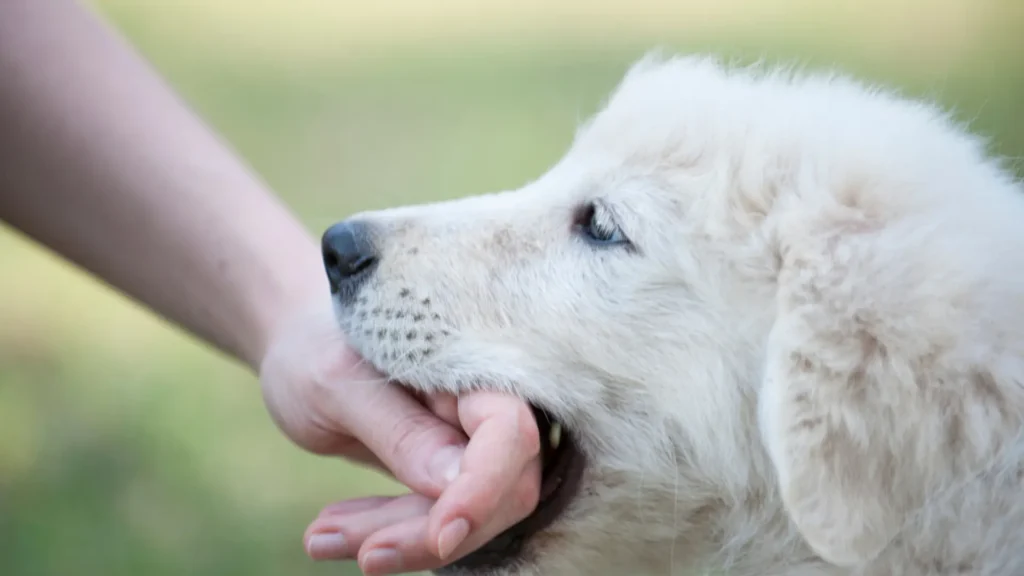
Under C.R.S. § 13-21-124(5), dog owners are completely exempt from liability under the strict liability statute in certain scenarios:
- Trespassing: The victim was unlawfully on private property.
- Clear Warnings: The owner conspicuously posted “Beware of Dog” or “No Trespassing” signs on their property.
- Provocation: The victim knowingly teased, tormented, or provoked the animal.
- Professional Duties: The victim is a veterinary worker, groomer, or professional dog handler acting in their professional capacity.
- Working Dogs: The dog was actively working as a herding, military, law enforcement, or hunting dog.
Frequently Asked Questions
Who actually pays for a dog bite settlement?
In the vast majority of cases, individual dog owners do not pay out of pocket. Settlements and judgments are typically paid through the owner’s homeowners insurance or renters insurance policy.
How long do I have to file a claim?
In Colorado, the standard statute of limitations for a personal injury claim is two years from the date of the attack. Failing to file a lawsuit before this window closes will permanently bar you from seeking compensation.
Can I still claim compensation if the dog belonged to a friend or family member?
Yes. Many victims hesitate to bring a claim because the dog belongs to someone they know. It is important to remember that you are filing a claim against their insurance policy, not seeking to drain your loved one’s personal bank account. Their insurance exists precisely to cover unexpected accidents like this.
What happens if I am blamed for provoking the dog?
Colorado follows a modified comparative negligence standard. If an insurance company argues you are partially to blame (e.g., trying to pet a dog while it was eating), your compensation will be reduced by your percentage of fault, as long as your fault is under 50%. If your fault reaches 50% or more, you recover nothing.
Contact Matlin Injury Law Today
You should not have to carry the financial burden of an animal attack alone. At Matlin Injury Law, we take pride in managing the complex insurance negotiations and handling the heavy legal lifting so you can focus fully on your physical and emotional recovery.
We offer free, confidential consultations and operate on a contingency fee basis—meaning you owe us absolutely nothing unless we secure a settlement or verdict for you.
Call our team today at (303) 487-8911 or contact us online to schedule your free case evaluation.