


Table of contents
Colorado is home to some of the world’s premier mountain destinations, drawing millions of winter sports enthusiasts to its slopes every year. However, a thrilling day on the mountain can change in an instant. A severe crash or equipment failure can lead to catastrophic physical trauma and immense financial strain. If you or a loved one has been hurt on the mountain, you are likely wondering: can you sue a ski resort, and how does a Colorado ski accident claim operate under state law?
Matlin Injury Law helps ski accident victims protect their rights when a mountain getaway turns into a medical emergency. Navigating ski accident liability in Colorado requires deep knowledge of the Colorado Ski Safety Act. This law specifically protects the state’s ski industry and shapes every claim filed against a resort.
The Core Legislation: The Colorado Ski Safety Act
Suing a ski resort starts with the Colorado Ski Safety Act (SSA), codified at C.R.S. § 33-44-101 et seq. The state legislature passed the SSA to define the duties and liabilities of ski area operators and skiers.
The primary purpose of the Ski Safety Act is to limit the liability of ski resorts. The law explicitly establishes that skiing and snowboarding involve inherent dangers and risks. Under the statute, a skier or snowboarder assumes the risk of injury resulting from these inherent dangers, meaning you generally cannot sue a resort for standard accidents on the snow.
Inherent Risks Defined by the SSA Include:
- Weather Conditions: Changing weather, blizzards, wind, ice, hard pack, and deep powder.
- Terrain Features: Variations in steepness, cliffs, ravines, bumps, moguls, and rocks.
- Natural Obstacles: Trees, brush, stumps, and logs located within the ski area boundary.
- Snow Conditions: Subsurface ice, bare spots, forest growth, or changing snow depths.
- Collisions: Crashing into other skiers, snowboarders, or natural objects on the mountain.
Because these risks are considered part of the sport, if you catch an edge on a patch of ice, collide with a tree on an open run, or get struck by another recreational skier, the ski resort itself is legally protected from a lawsuit.
When CAN You Sue a Ski Resort? (Resort Liability)
While the Colorado Ski Safety Act provides extensive protections to mountain operators, it does not grant them absolute immunity. A ski resort can still be held legally liable and sued if your injury was the direct result of the resort’s negligence or an explicit violation of the statutory duties laid out in the SSA.
1. Ski Lift Accidents and Mechanical Failures
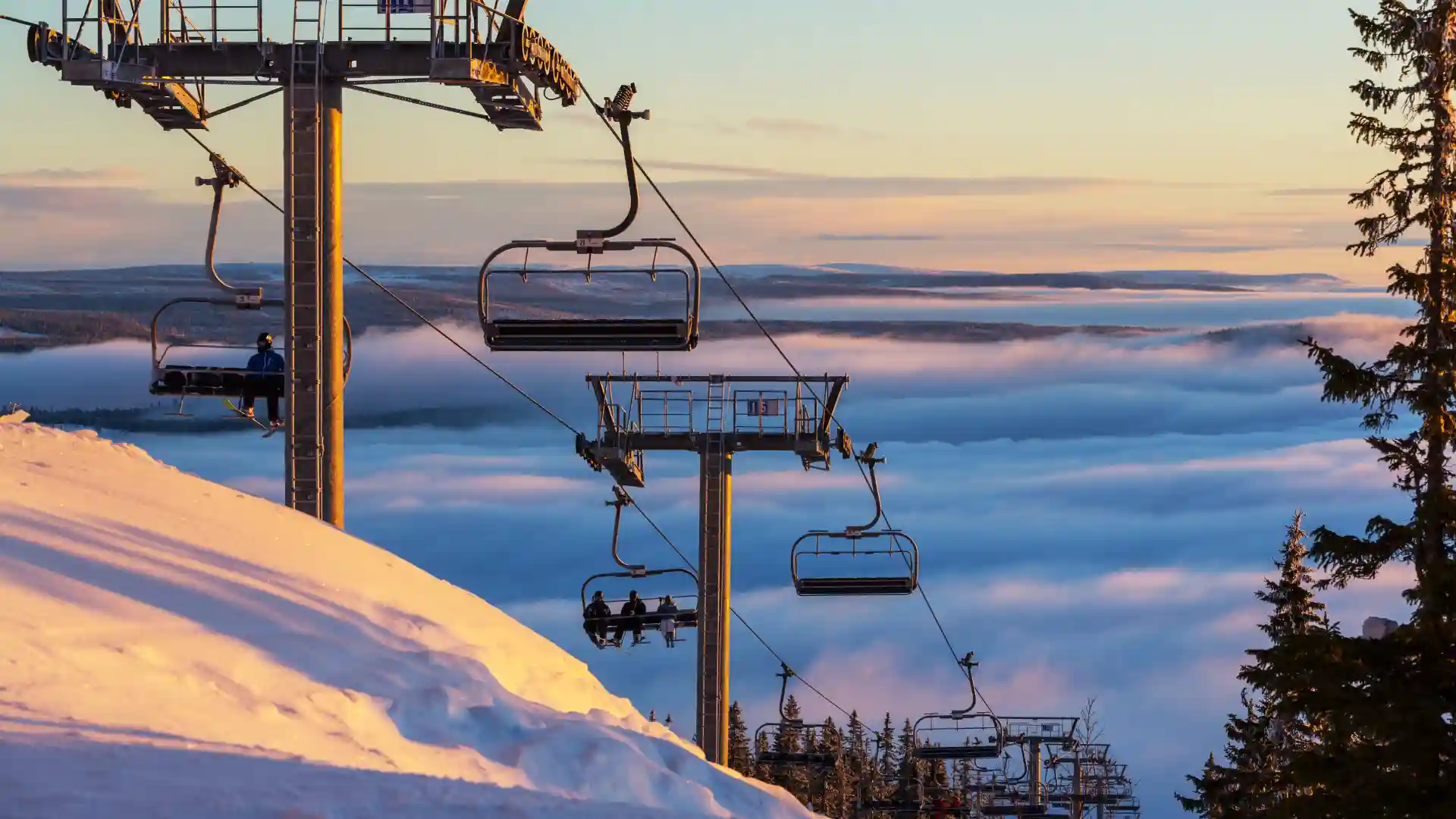
Ski lift operations are treated differently from open ski terrain. Under Colorado law, ski lift operators are held to the highest standard of care, similar to commercial common carriers. If you are injured due to a mechanical failure, negligent lift maintenance, or an operator’s failure to stop a lift appropriately during a loading/unloading mishap, you may have strong grounds for a lawsuit.
2. Failure to Mark Closed Trails or Boundaries
Resorts have a strict statutory duty under the SSA to properly sign and mark the mountain. They must utilize specific, visible signs to indicate trail difficulty levels, boundaries, and trail closures. If a resort fails to mark a closed run that contains an artificial hazard or fails to maintain boundary ropes, leading a skier into an unmitigated danger zone, the operator can be held liable.
3. Collisions with Resort Vehicles and Equipment
While colliding with a tree is an inherent risk, colliding with a resort-owned vehicle is not. If a ski resort employee operates a snowmobile, snowcat, or grooming machine recklessly on an open run and strikes a skier, the resort can be sued for the employee’s negligence. Furthermore, the SSA requires resorts to place visible warning lights or signs on grooming equipment operating during open hours.
4. Gross Negligence or Reckless Conduct
If a resort behaves with an utter disregard for human safety, such as failing to address a known hazard that they promised to fix, or allowing a visibly intoxicated employee to operate machinery, the statutory protections of the Ski Safety Act may be pierced under a claim of gross negligence.
Third-Party Liability: Suing Other Skiers
If you are wiped out and severely injured by another reckless skier or snowboarder, you cannot sue the resort, but you can pursue a claim against the individual who hit you.
The Colorado Ski Safety Act dictates that every skier has a legal duty to maintain control and ski within their personal ability level. Crucially, the law establishes that the uphill skier has the primary duty to avoid colliding with downhill skiers.
An out-of-control uphill skier who barrels into you while you carve safely down a run violates the SSA. That violation gives you the right to file a personal injury claim against the at-fault skier. Their homeowners’ or renters insurance policy typically covers personal liability for sports-related accidents and pays out these claims.
What to Do After a Colorado Ski Accident
If you suffer an injury on the mountain, the steps you take immediately following the crash are essential to protecting your health and preserving your right to seek compensation:
- Contact Ski Patrol: Alert resort staff or have another skier fetch Ski Patrol immediately. They will provide medical stabilization and transport you safely off the mountain.
- Request an Incident Report: Ensure Ski Patrol or mountain security documents the accident. Ask for a copy of the official accident report.
- Document the Scene: If you or a companion is physically able, take comprehensive photos and videos of the exact location. Capture the snow conditions, any missing or obscured signs, mechanical elements (if a lift accident), and the positioning of any resort equipment involved.
- Identify Witnesses and At-Fault Parties: If you were hit by another skier, get their name, contact info, and take a photo of their lift pass or ID. Collect contact details from any bystanders who witnessed the collision. Treat a ski hit-and-run like a car crash; notify resort staff immediately to help track the individual down.
- Seek Comprehensive Medical Care: Visit an emergency room or urgent care right away. Trauma from high-velocity mountain crashes can cause hidden internal organ damage, severe concussions, or complex soft-tissue tears that require immediate imaging.
- Speak with a Lawyer: Ski resorts employ sophisticated legal teams and require guests to sign liability waivers for lift tickets or season passes. An attorney can review your accident details to determine whether the waiver holds up. They can also identify whether the resort violated the Ski Safety Act.
Statutory Damages Caps and Deadlines

When pursuing a ski accident liability Colorado claim, you must be aware of the strict legal boundaries established by the state:
- The Statute of Limitations: Under C.R.S. § 33-44-111, any lawsuit brought against a ski area operator for injuries sustained on the mountain must be filed within two years from the exact date of the accident. Missing this deadline will permanently bar your claim.
- Damages Caps: The Ski Safety Act places a strict cap on the total amount a victim can recover from a ski resort. Economic and non-economic losses combined face a specific statutory threshold for a single skier. Courts can increase that threshold only when the plaintiff proves a catastrophic physical impairment.
Frequently Asked Questions
Does signing a lift ticket waiver mean I can never sue?
Not necessarily. Ski resorts print extensive liability waivers on lift tickets and season pass agreements, but these waivers cannot absolve a resort of liability for gross negligence or violations of state law. When a resort violates a specific duty under the Colorado Ski Safety Act, Colorado courts often deem the waiver unenforceable.
Can I recover compensation for a rental equipment malfunction?
Yes. A ski binding that failed to release properly may support a product liability or negligence claim. So can a rental boot that broke due to a manufacturing defect. Renting the gear directly from the resort means the claim targets the resort’s rental operations for failing to properly adjust or inspect the equipment.
Who pays my medical bills while my ski claim is pending?
You are responsible for your medical bills as they arrive. You should use your private health insurance to cover treatments and physical therapy. If you successfully settle a claim against a reckless skier or negligent resort later, your health insurance may seek reimbursement out of the final settlement under Colorado’s subrogation rules.
Contact Matlin Injury Law Today
Proving that a ski resort crossed the line from an inherent mountain risk into actionable negligence requires meticulous investigation and deep familiarity with Colorado’s specialized alpine statutes.
At Matlin Injury Law, we take pride in acting as aggressive advocates for injured individuals throughout Colorado’s mountain communities. We handle the corporate insurance adjusters, gather the physical evidence, and fight to secure the compensation you deserve for your medical bills, lost wages, and pain and suffering.
Call our team today at (303) 487-8911 or contact us online for a free, no-obligation consultation.